Alumni in Residence Jacob Kushner
We are pleased to welcome UW–Madison Alum Jacob Kushner back to campus for a week-long residency, November 28 through December 1st. His visit will feature a variety of events, including an educator book club, a public lecture, career conversation, and classroom visits. See below for more information.
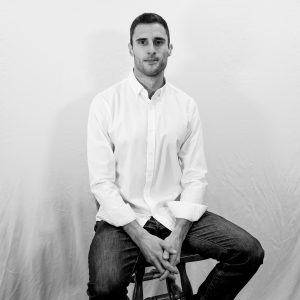
Jacob Kushner is an international correspondent covering Africa, Germany, and the Caribbean. He reports on migration, science, global health, foreign aid and investment, prejudice, terrorism and violent extremism, climate change, and wildlife. His articles have appeared in dozens of publications including The New York Times, The Atlantic, Harper’s, The New Yorker, The Economist, National Geographic, Foreign Policy, VICE Magazine and The Guardian. He is the author of China’s Congo Plan, which was favorably reviewed in The New York Review of Books. He has photographed for National Geographic and field-produced for VICE on HBO, and PBS NewsHour. He has received numerous grants from the Pulitzer Center on Crisis Reporting and will be discussion his latest Pulitzer Center reporting during his visit.
Originally from Milwaukee, Jacob graduated from UW–Madison with a B.A. in journalism and Latin American studies and received his MA in Political Journalism from Columbia University. While in Madison, he wrote for The Daily Cardinal, La Comunidad News, the Wisconsin State Journal, and Wisconsin Watch. In 2020, he published This is How the Heart Beats: LGBTQ East Africa, a book collaboration with photographer Jake Naughton (UW Journalism & African Studies ’10).
Thank you to our partners for co-sponsoring this residency: Latin American, Caribbean and Iberian Studies Program, African Studies Program, International Studies Major, and School of Journalism and Mass Communication at UW–Madison.
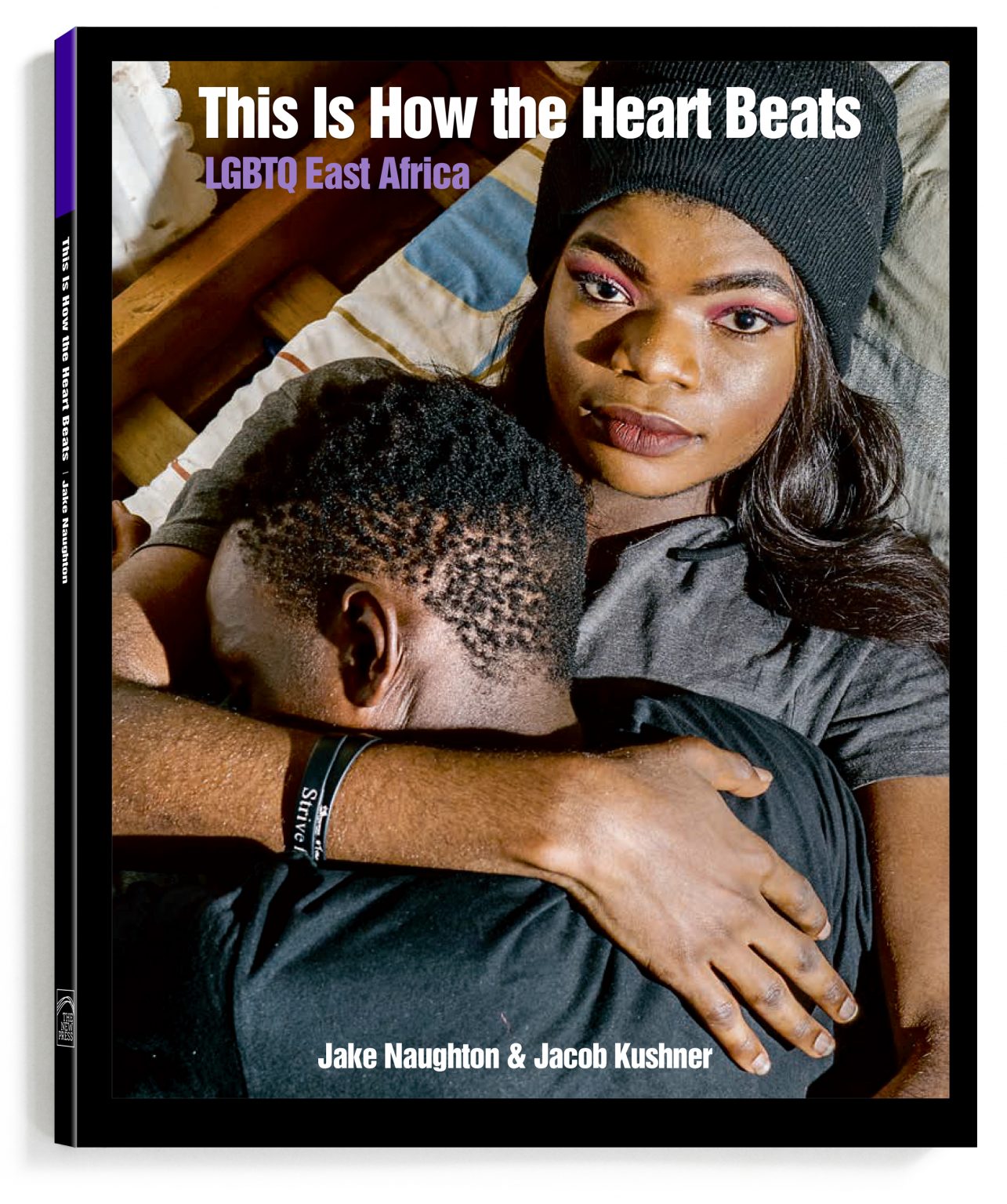
International Book Club: This is How the Heart Beats, with Jacob Kushner (11/30/22)
There are 90 million displaced people in the world today—many of whom are refugees. The United States calls itself a nation of immigrants—but it isn’t, at least, not anymore. In fact, the U.S. takes in fewer refugees and asylum seekers than almost every other wealthy nation in earth.
In this month’s book club, international journalist Jacob Kushner (UW ’10 Journalism, LACIS) will discuss his and Jake Naughton (’10 African Studies, Journalism) book, This is How the Heart Beats, about Africa’s LGBT refugees and offer suggestions for introducing students to the global migration crisis, with a focus on America’s inaccurate reputation as a haven for refugees. Jacob will also discuss his reporting on stateless people in the Dominican Republic and Haiti, which was supported by the Pulitzer Center. The first 30 K-12 educators to register will receive a copy of the book!
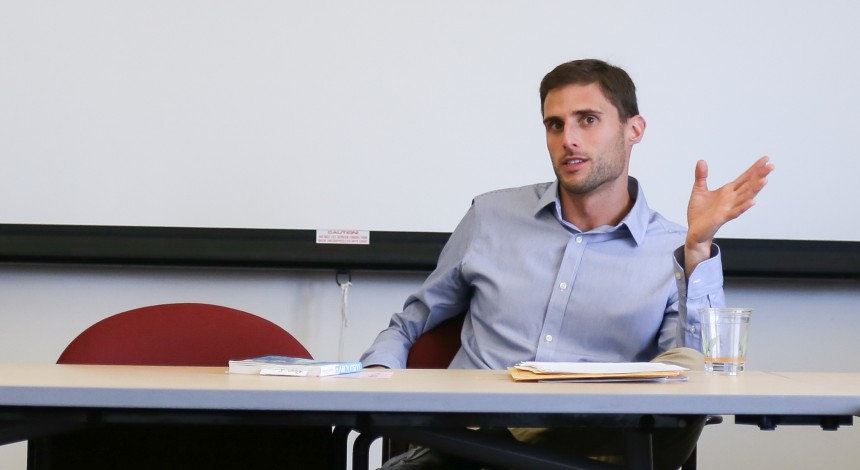
Career Conversations: Jacob Kushner – International Journalist (12/1/22)
Join us to discuss: working as a foreign correspondent, tips for freelancing (pitching stories), reporting on science, migration, conflict and human rights, and becoming a ‘subject expert’ and leveraging your expertise. Open to all.
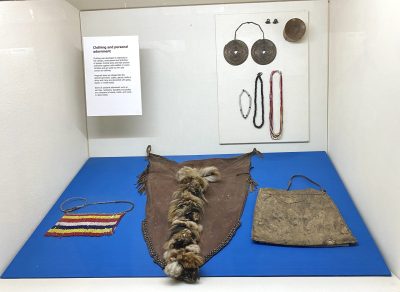
Into Africa: Reporting on the Return of Other Peoples’ Things (11/28/22)
The debate over Africa’s lost cultural heritage is transforming. It’s no longer merely a question of whether certain African artifacts should be returned. Some question whether North American and European museums should be allowed to display them at all. Why do westerners still decide which African objects are worthy of being exhibited for the world to see? Why are Europeans still the curators of other peoples’ cultures? What right do western museumgoers have to gawk and gaze at these “exotic” objects the same way they have for hundreds of years? To decolonize the museum may require more than putting a few pieces back in their original place. If restitution advocates have their way, we could be nearing the end of an era in which western museums served as humble custodians of other peoples’ things. International journalist, Jacob Kushner (Journalism, LACIS ’10), will discuss his latest reporting for National Geographic and Tortoise from Kenya and Germany and lead us in a lively debate.